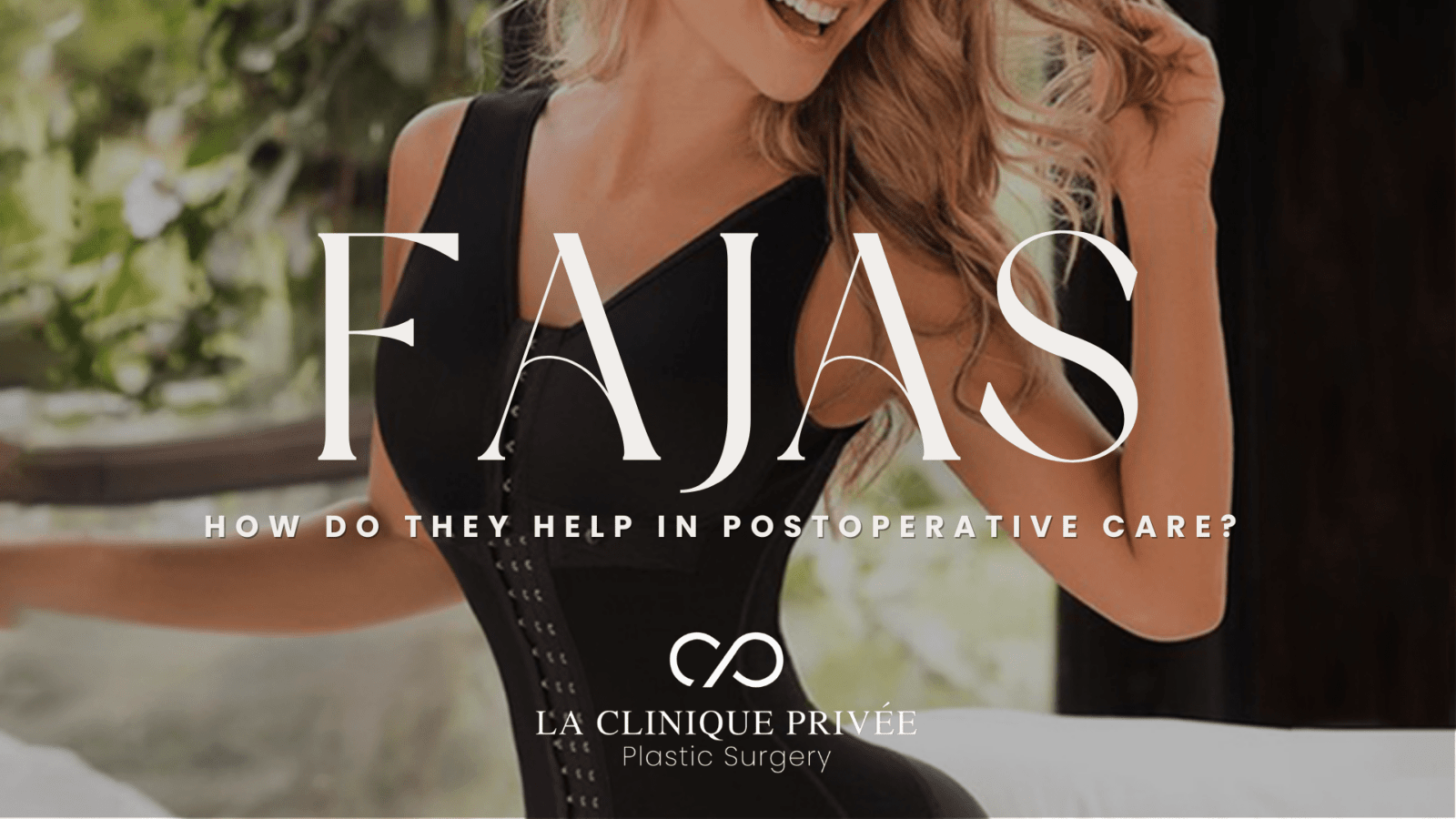
THE SCIENCE OF FAJAS: HOW DO THEY HELP IN POST-OPERATIVE CARE?
When it comes to plastic surgery, patients often wonder what to do to improve their results and speed up their recovery time. One of the tools used to aid in this process are fajas, which are compression garments worn after surgery.
Fajas is incredibly helpful for patients undergoing procedures such as liposuction or tummy tuck. If you are exploring why fajas are so beneficial and how to choose the right one for your needs, you have come to the right place.
What are fajas? Why are they used in plastic surgery?
In Spanish, “faja” usually refers to a girdle or waistband worn to provide support or shape to the abdomen and back. In Albanian, “faja” means “belt” or “sash.” Fajas are compression garments designed to help patients recover after plastic surgery.
They are made up of powernet which is a blended fabric containing Nylon and Spandex that applies gentle pressure to the body. The compression provided by fajas helps reduce swelling and inflammation after surgery, as well as provides support to the surgical site. Fajas have been found to incredibly decrease post-operative pain.
Fajas are recommended after procedures like liposuction, abdominoplasty, or Brazilian butt lifts, as these procedures can cause significant swelling and bruising. Fajas compress the area and improve blood flow, which can help reduce these side effects and speed up the healing process.
Benefits of wearing a faja after plastic surgery
Reduced swelling and bruising: One of the most significant benefits of wearing a faja after plastic surgery is that it helps reduce swelling and bruising. The compression provided by the garment helps push fluid out of the area and improve circulation, which helps reduce inflammation and improve the appearance of the surgical site.
Improved comfort: Fajas help support the body. They distribute the body’s weight more evenly, which can help reduce discomfort and pain.
Improved results: Wearing a faja after plastic surgery improves the final results of the procedure. By supporting the body and helping reduce swelling and inflammation, fajas help create a more toned and contoured appearance.
A Randomized control trial held by Summaya Saeed in 2019 showed that the use of abdominal binders postoperatively significantly reduced pain and improved mobility in both obstetric and surgery patients. It scientifically outweighs the use and benefits of fajas.
How long a faja should be worn?
One of the most common questions patients have when it comes to fajas is how long they should wear them. The answer to this question varies depending on the individual and the type of procedure they had done, but some general guidelines can be followed.
In general, patients are advised to wear fajas for a minimum of 4-6 weeks following their surgery. During this time, the garment should be worn continuously, only removed for showering and washing.
.
After the initial 4-6 week period, patients may be advised to continue wearing the faja for an additional 2-4 weeks but can gradually decrease the amount of time they wear it each day. It is done by gradually reducing the number of hours per day the garment is worn until it is no longer needed.
It is important to note that every patient’s recovery process is unique and that the length of time a patient should wear a faja may vary depending on the type of procedure they had done, their healing process, and their surgeon’s recommendation.
In some cases, patients are advised to wear a faja for longer periods or to wear a custommade faja designed specifically for their body and their procedure. In these cases, patients should follow the specific instructions of their surgeon or healthcare provider
Choosing the right faja for your needs
Consult with your plastic surgeon: Your plastic surgeon can recommend the best type of faja for your specific procedure and body type. They also recommend specific brands or styles that are particularly effective. At our clinic, we provide consultations from our award-winning plastic surgeons for a holistic approach to plastic surgery that helps you to achieve complete recovery.
Consider your comfort: Fajas can be tight and restrictive. It is, thus, essential to choose one that is comfortable for you to wear. Look for garments that have adjustable straps or are made from breathable materials to help improve comfort. The patient’s comfort is our priority and we make sure that the patient is satisfied with the faja he’s using.
Pay attention to the fit: The fit of your faja is crucial to its effectiveness. Look for garments that are snug but not too tight, and make sure that they are covering the surgical site adequately. Our clinic will provide you with the best care and facilities in this regard.
Unwelcoming side effects of wearing Fajas:
Wearing a faja that is too tight leads to shortness of breath, digestive problems such as acid reflux, and some skin problems. It can exacerbate intertrigo which is a rash due to yeast that resides in the skin folds. Misuse of a tight Faja corset can lead to a liver hematoma that can be fatal. 2 To avoid all these unfortunate events, a proper professional consultation is mandatory while considering Fajas post-operatively or even for body contouring
Conclusion
In conclusion, fajas are extremely helpful for patients who have undergone plastic surgery. By providing compression and support to the body, they reduce swelling and bruising, improve comfort, and ultimately improve the final results of the procedure.
We and our award-winning surgeons and top-of-the-mark technology, provide you with the best consultation and facilities. With our cutting-edge technology and experienced surgeons, you can trust us to deliver beautiful, natural-looking results.
Our commitment to quality and safety means you can trust us to deliver the highest standard of care in plastic surgery.